Every orbital launch vehicle in the world
The complete roster of rockets currently flying, being built, or recently retired — 55 vehicles from 27 operators across 14 countries, with height, diameter, payload, engines, propellant and launch sites for each. Checked by hand, July 2026.
For the live countdown to the next launch, see the launch board. For every Starship variant including the tanker and the propellant depot, see the Starship variant tree.
- SpaceX
- United Launch Alliance
- Blue Origin
- Rocket Lab
- Firefly Aerospace
- Northrop Grumman
- Relativity Space
- Stoke Space
- Arianespace / ArianeGroup
- Isar Aerospace
- Rocket Factory Augsburg
- PLD Space
- Orbex
- CASC — China Aerospace S&T Corp
- LandSpace
- Space Pioneer
- Galactic Energy
- i-Space (Beijing Interstellar Glory)
- Roscosmos
- Mitsubishi Heavy Industries / JAXA
- ISRO
- Gilmour Space Technologies
- Hypersonix Launch Systems
- KARI
- Israel Aerospace Industries
- Iranian Space Agency / IRGC
- NADA — North Korea
SpaceX
Flies more mass to orbit than the rest of the world combined, on a booster that lands and flies again within weeks. Founded 2002. Based in Hawthorne, California. Official site.
Falcon 9 Block 5
| Operator | SpaceX · Hawthorne, California |
|---|---|
| Status | Currently flying |
| First flight | 2018 |
| Height | 70 m |
| Diameter | 3.7 m |
| Liftoff mass | 549 t |
| Liftoff thrust | 7,607 kN |
| Stages | 2 |
| Payload to LEO | 22,800 kg |
| Payload to GTO | 8,300 kg |
| Engines | 9 × Merlin 1D · 1 × Merlin Vacuum |
| Propellant | RP-1 / liquid oxygen |
| Reuse | First stage and both fairing halves |
| Launch sites | LC-39A, Kennedy · SLC-40, Cape Canaveral · SLC-4E, Vandenberg |
The most-flown orbital rocket in history and the only one with a genuinely routine reuse cadence — individual boosters have passed twenty flights.
Falcon Heavy
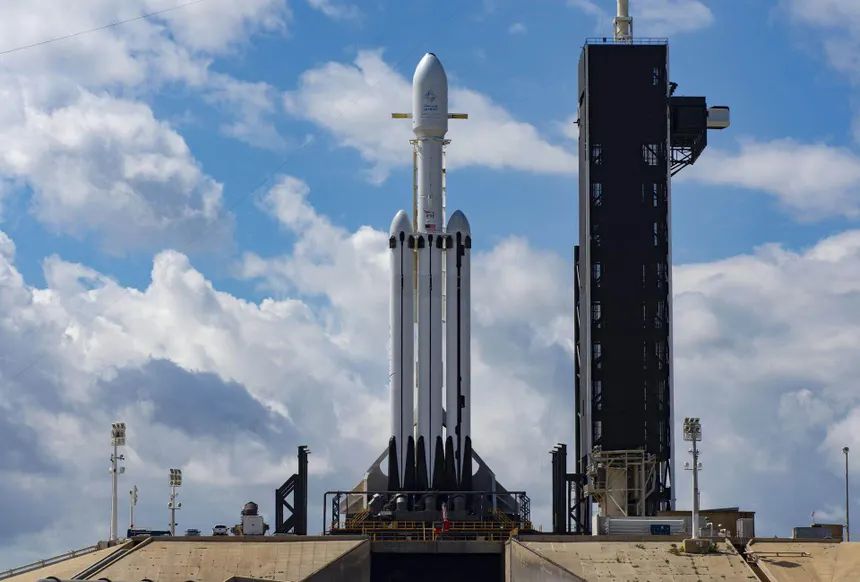
| Operator | SpaceX · Hawthorne, California |
|---|---|
| Status | Currently flying |
| First flight | 2018 |
| Height | 70 m |
| Diameter | 12.2 m |
| Liftoff mass | 1,420 t |
| Liftoff thrust | 22,819 kN |
| Stages | 2 |
| Payload to LEO | 63,800 kg |
| Payload to GTO | 26,700 kg |
| Engines | 27 × Merlin 1D · 1 × Merlin Vacuum |
| Propellant | RP-1 / liquid oxygen |
| Reuse | Two side boosters, fairings; centre core usually expended |
| Launch sites | LC-39A, Kennedy |
Three Falcon cores strapped together. Reserved for the heaviest national-security and interplanetary payloads, so it flies rarely.
Starship
| Operator | SpaceX · Hawthorne, California |
|---|---|
| Status | In development |
| First flight | 2023 |
| Height | 123 m |
| Diameter | 9 m |
| Liftoff mass | 5,000 t |
| Liftoff thrust | 74,000 kN |
| Stages | 2 |
| Payload to LEO | 100,000 kg |
| Engines | 33 × Raptor (booster) · 6 × Raptor (ship) |
| Propellant | Liquid methane / liquid oxygen |
| Reuse | Both stages, caught by the tower |
| Launch sites | Starbase, Texas · LC-39A, Kennedy |
The largest and most powerful rocket ever flown. Booster catch is proven; ship reuse and orbital propellant transfer are the remaining hard problems. See the Starship tab for every variant.
United Launch Alliance
The Boeing–Lockheed joint venture that flew the US national-security manifest for two decades, now transitioning to Vulcan. Founded 2006. Based in Centennial, Colorado. Official site.
Vulcan Centaur
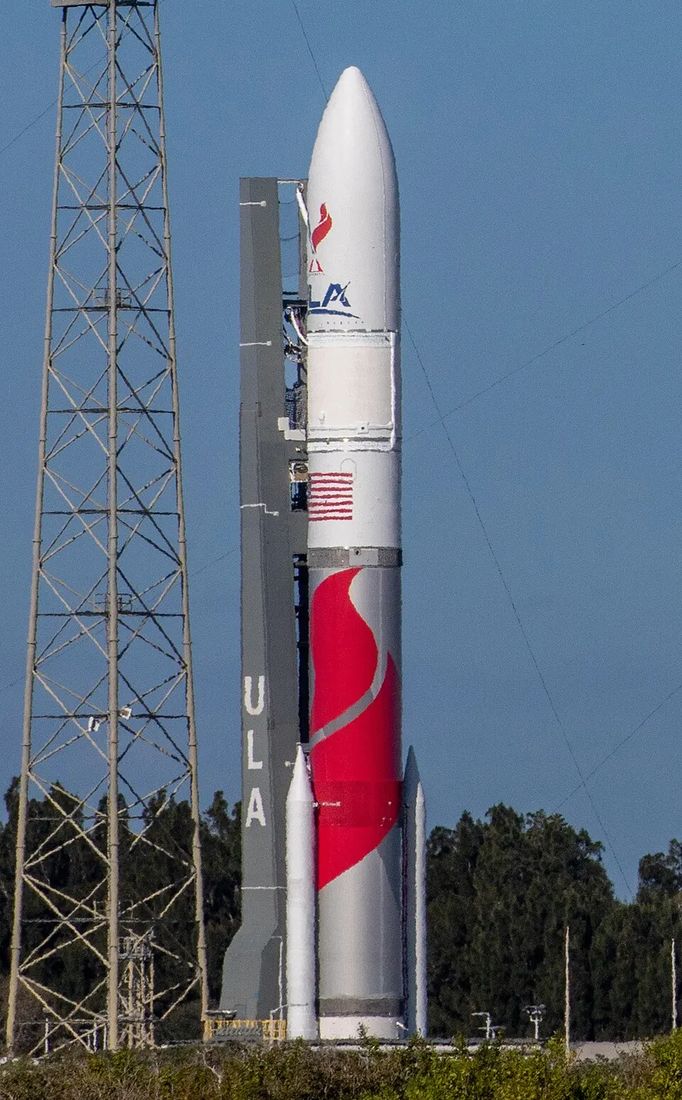
| Operator | United Launch Alliance · Centennial, Colorado |
|---|---|
| Status | Currently flying |
| First flight | 2024 |
| Height | 61.6 m |
| Diameter | 5.4 m |
| Liftoff mass | 546 t |
| Liftoff thrust | 10,500 kN |
| Stages | 2 |
| Payload to LEO | 27,200 kg |
| Payload to GTO | 14,400 kg |
| Engines | 2 × BE-4 · 2 × RL10C-1-1 · 0–6 GEM-63XL solid boosters |
| Propellant | Liquid methane / LOX (stage 1) · LH2 / LOX (Centaur V) |
| Reuse | Expendable — nothing is recovered |
| Launch sites | SLC-41, Cape Canaveral · SLC-3E, Vandenberg |
Configurations run VC0 through VC6 by solid-booster count. Replaces both Atlas V and Delta IV, and carries a large share of the Space Force manifest.
Atlas V
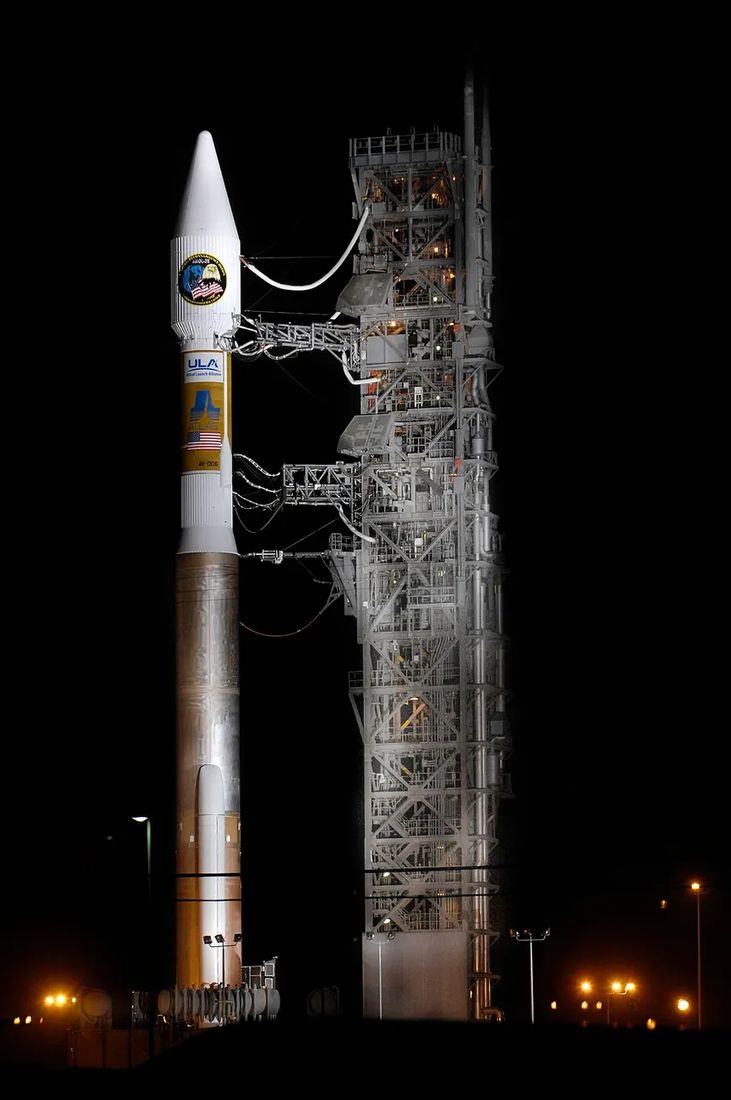
| Operator | United Launch Alliance · Centennial, Colorado |
|---|---|
| Status | Currently flying |
| First flight | 2002 |
| Height | 58.3 m |
| Diameter | 3.81 m |
| Liftoff mass | 590 t |
| Liftoff thrust | 3,827 kN |
| Stages | 2 |
| Payload to LEO | 20,520 kg |
| Payload to GTO | 8,900 kg |
| Engines | 1 × RD-180 · 1–2 × RL10C · 0–5 solid boosters |
| Propellant | RP-1 / LOX (stage 1) · LH2 / LOX (Centaur) |
| Reuse | Expendable — nothing is recovered |
| Launch sites | SLC-41, Cape Canaveral |
Retiring. The remaining airframes were bought before production ended and are committed to Kuiper and a handful of government missions.
Delta IV Heavy
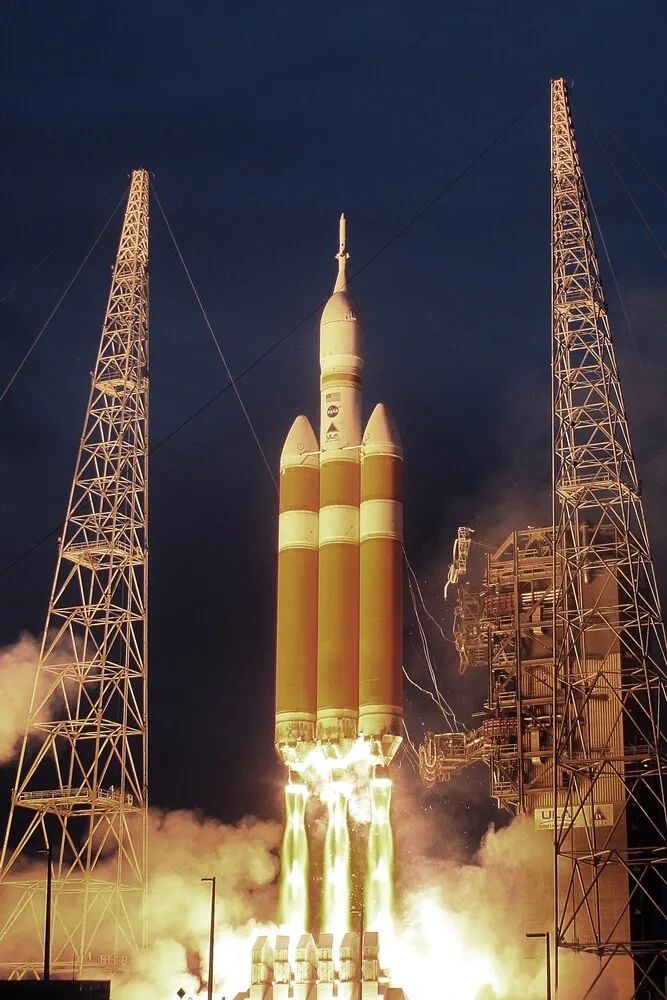
| Operator | United Launch Alliance · Centennial, Colorado |
|---|---|
| Status | Retired |
| First flight | 2004 |
| Retired | 2024 |
| Height | 72 m |
| Diameter | 5 m |
| Liftoff mass | 733 t |
| Liftoff thrust | 9,420 kN |
| Stages | 2 |
| Payload to LEO | 28,790 kg |
| Payload to GTO | 14,220 kg |
| Engines | 3 × RS-68A · 1 × RL10B-2 |
| Propellant | Liquid hydrogen / liquid oxygen |
| Reuse | Expendable — nothing is recovered |
| Launch sites | SLC-37B, Cape Canaveral |
Flew its last mission in April 2024. Famous for setting itself briefly on fire at ignition, every time, entirely on purpose.
Blue Origin
Bezos-funded, deliberately slow, and now flying a heavy-lift reusable booster and building a lunar lander to go with it. Founded 2000. Based in Kent, Washington. Official site.
New Glenn
| Operator | Blue Origin · Kent, Washington |
|---|---|
| Status | Currently flying |
| First flight | 2025 |
| Height | 98 m |
| Diameter | 7 m |
| Liftoff mass | 1,450 t |
| Liftoff thrust | 17,100 kN |
| Stages | 2 |
| Payload to LEO | 45,000 kg |
| Payload to GTO | 13,600 kg |
| Engines | 7 × BE-4 · 2 × BE-3U |
| Propellant | Liquid methane / LOX (stage 1) · LH2 / LOX (stage 2) |
| Reuse | First stage, landed on a ship |
| Launch sites | LC-36, Cape Canaveral |
A 7-metre fairing, the widest flying, which matters more than the payload number for large telescopes and constellation stacks.
New ShepardSuborbital
| Operator | Blue Origin · Kent, Washington |
|---|---|
| Status | Currently flying |
| First flight | 2015 |
| Height | 18 m |
| Diameter | 3.7 m |
| Stages | 1 |
| Engines | 1 × BE-3PM |
| Propellant | Liquid hydrogen / liquid oxygen |
| Reuse | Booster and capsule, both |
| Launch sites | Launch Site One, West Texas |
Suborbital — it carries people and research payloads above the Kármán line and comes straight back down. Listed here for completeness; it does not reach orbit.
Rocket Lab
Built the small-launch market almost single-handedly, and is now scaling to a medium-lift reusable vehicle. Founded 2006. Based in Long Beach, California. Official site.
Electron
| Operator | Rocket Lab · Long Beach, California |
|---|---|
| Status | Currently flying |
| First flight | 2017 |
| Height | 18 m |
| Diameter | 1.2 m |
| Liftoff mass | 13 t |
| Liftoff thrust | 162 kN |
| Stages | 3 |
| Payload to LEO | 320 kg |
| Payload to SSO | 200 kg |
| Engines | 9 × Rutherford · 1 × Rutherford Vacuum |
| Propellant | RP-1 / liquid oxygen |
| Reuse | Booster recovery demonstrated, not yet routine |
| Launch sites | LC-1, Mahia, New Zealand · LC-2, Wallops, Virginia |
Electric turbopumps and a fully 3D-printed engine. Carbon-composite airframe. The dedicated small-satellite ride that everyone else is measured against.
HASTESuborbital
| Operator | Rocket Lab · Long Beach, California |
|---|---|
| Status | Currently flying |
| First flight | 2023 |
| Height | 18 m |
| Diameter | 1.2 m |
| Stages | 3 |
| Engines | 9 × Rutherford |
| Propellant | RP-1 / liquid oxygen |
| Reuse | Expendable — nothing is recovered |
| Launch sites | LC-2, Wallops, Virginia |
Suborbital Electron for hypersonic test payloads. Same airframe, different job, and a surprisingly large share of the company revenue.
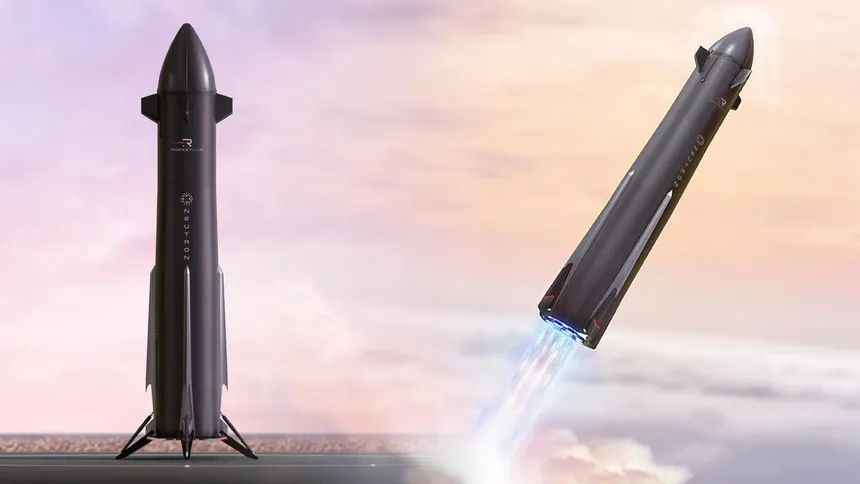
Neutron
| Operator | Rocket Lab · Long Beach, California |
|---|---|
| Status | In development |
| First flight | 2026 |
| Height | 43 m |
| Diameter | 7 m |
| Liftoff mass | 480 t |
| Liftoff thrust | 5,960 kN |
| Stages | 2 |
| Payload to LEO | 13,000 kg |
| Engines | 9 × Archimedes · 1 × Archimedes Vacuum |
| Propellant | Liquid methane / liquid oxygen |
| Reuse | First stage, returned to the launch site |
| Launch sites | LC-3, Wallops, Virginia |
A carbon-composite medium-lift booster with a "hungry hippo" fairing that stays attached and reopens for reuse. Aimed squarely at the constellation market Falcon 9 owns.
Firefly Aerospace
Small-lift operator that also builds the Blue Ghost lunar lander, and is co-developing a medium rocket with Northrop. Founded 2017. Based in Cedar Park, Texas. Official site.
Alpha
| Operator | Firefly Aerospace · Cedar Park, Texas |
|---|---|
| Status | Currently flying |
| First flight | 2021 |
| Height | 29.5 m |
| Diameter | 1.8 m |
| Liftoff mass | 54 t |
| Liftoff thrust | 736 kN |
| Stages | 2 |
| Payload to LEO | 1,030 kg |
| Payload to SSO | 630 kg |
| Engines | 4 × Reaver 1 · 1 × Lightning 1 |
| Propellant | RP-1 / liquid oxygen |
| Reuse | Expendable — nothing is recovered |
| Launch sites | SLC-2W, Vandenberg |
Carbon-composite tanks and tap-off cycle engines. A rough early flight record that has been improving.
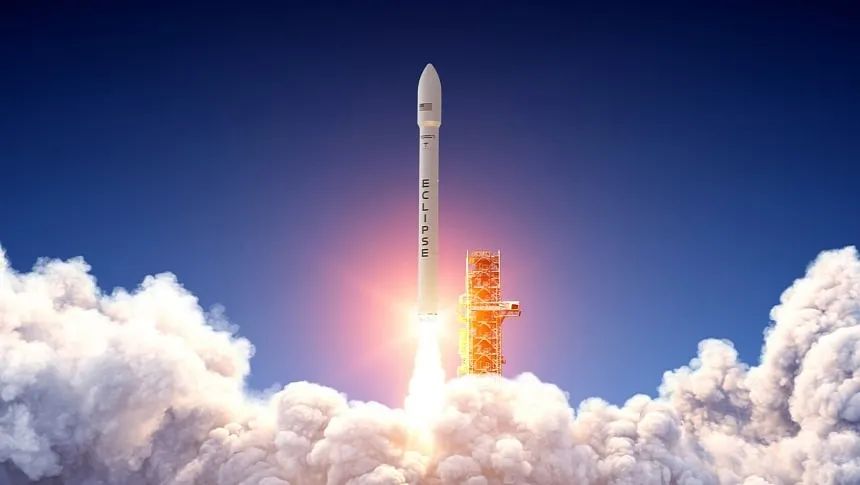
Eclipse
| Operator | Firefly Aerospace · Cedar Park, Texas |
|---|---|
| Status | In development |
| First flight | 2026 |
| Height | 55 m |
| Diameter | 4.3 m |
| Stages | 2 |
| Payload to LEO | 16,300 kg |
| Engines | 7 × Miranda · 1 × Vira |
| Propellant | RP-1 / liquid oxygen |
| Reuse | First stage planned |
| Launch sites | Wallops, Virginia |
Joint programme with Northrop Grumman, using Northrop's composite structures and Firefly's engines. Also intended to fly the Antares 330 first stage.
Northrop Grumman
Flies ISS cargo on Cygnus and keeps a family of solid-fuelled launchers derived from decommissioned missiles. Founded 1994. Based in Dulles, Virginia. Official site.
Antares 330
| Operator | Northrop Grumman · Dulles, Virginia |
|---|---|
| Status | In development |
| First flight | 2026 |
| Height | 42.5 m |
| Diameter | 3.9 m |
| Stages | 2 |
| Payload to LEO | 10,500 kg |
| Engines | 7 × Miranda (Firefly) |
| Propellant | RP-1 / liquid oxygen |
| Reuse | Expendable — nothing is recovered |
| Launch sites | Pad 0A, Wallops, Virginia |
The all-American replacement for Antares 230+, which lost its Ukrainian airframe and Russian engines when the supply chain ended in 2022.
Minotaur IV
| Operator | Northrop Grumman · Dulles, Virginia |
|---|---|
| Status | Currently flying |
| First flight | 2010 |
| Height | 23.9 m |
| Diameter | 2.34 m |
| Liftoff mass | 86 t |
| Stages | 4 |
| Payload to LEO | 1,735 kg |
| Engines | Peacekeeper solid stages + Orion 38 |
| Propellant | Solid |
| Reuse | Expendable — nothing is recovered |
| Launch sites | Vandenberg · Wallops · Kodiak |
Retired ICBM stages with a commercial upper stage. Government payloads only, by law — surplus missile motors cannot compete commercially.
Relativity Space
Prints most of the rocket. Abandoned its small launcher after one flight to concentrate on a medium-heavy reusable vehicle. Founded 2015. Based in Long Beach, California. Official site.
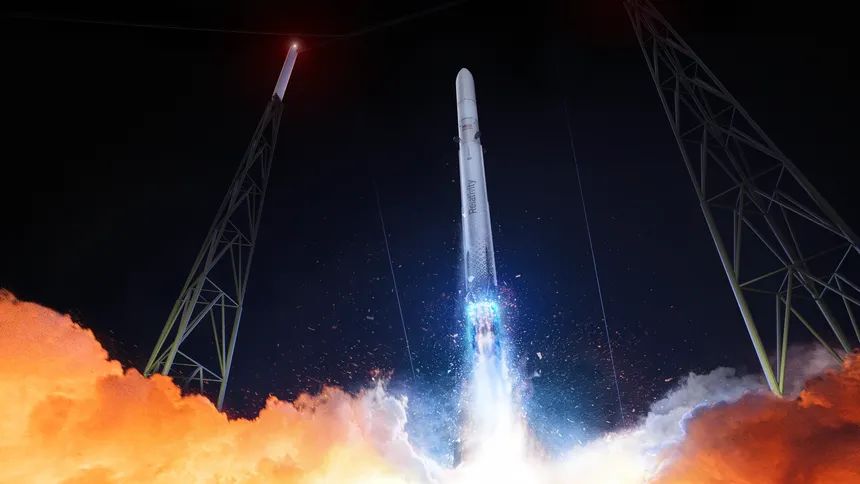
Terran R
| Operator | Relativity Space · Long Beach, California |
|---|---|
| Status | In development |
| First flight | 2026 |
| Height | 82 m |
| Diameter | 5.5 m |
| Liftoff mass | 1,550 t |
| Stages | 2 |
| Payload to LEO | 33,500 kg |
| Engines | 13 × Aeon R · 1 × Aeon Vacuum |
| Propellant | Liquid methane / liquid oxygen |
| Reuse | First stage |
| Launch sites | LC-16, Cape Canaveral |
Backed by a large pre-launch order book. The 3D-printing story is now a manufacturing method rather than the whole pitch.
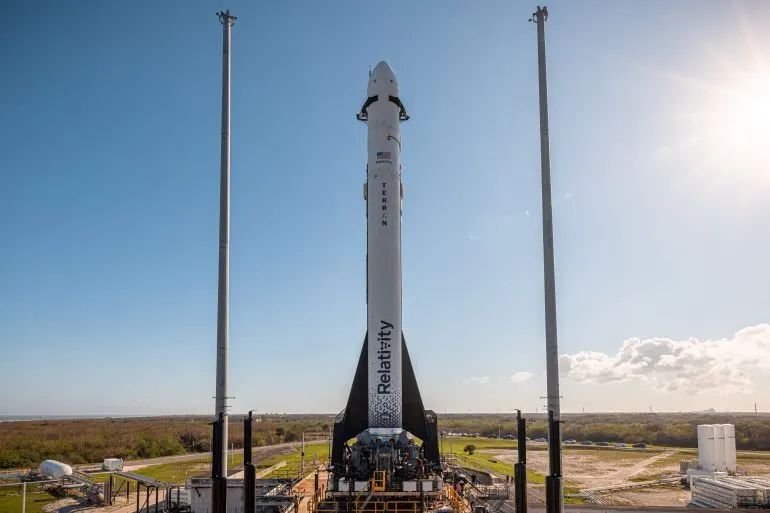
Terran 1
| Operator | Relativity Space · Long Beach, California |
|---|---|
| Status | Retired |
| First flight | 2023 |
| Retired | 2023 |
| Height | 33.5 m |
| Diameter | 2.28 m |
| Stages | 2 |
| Payload to LEO | 1,250 kg |
| Engines | 9 × Aeon 1 · 1 × AeonVac |
| Propellant | Liquid methane / liquid oxygen |
| Reuse | Expendable — nothing is recovered |
| Launch sites | LC-16, Cape Canaveral |
Flew once, survived max-Q, failed to reach orbit, and was cancelled the same month. The first methalox rocket to fly, and 85% printed by mass.
Stoke Space
Chasing full and rapid reuse of both stages with a regeneratively cooled metallic heat shield instead of tiles. Founded 2019. Based in Kent, Washington. Official site.
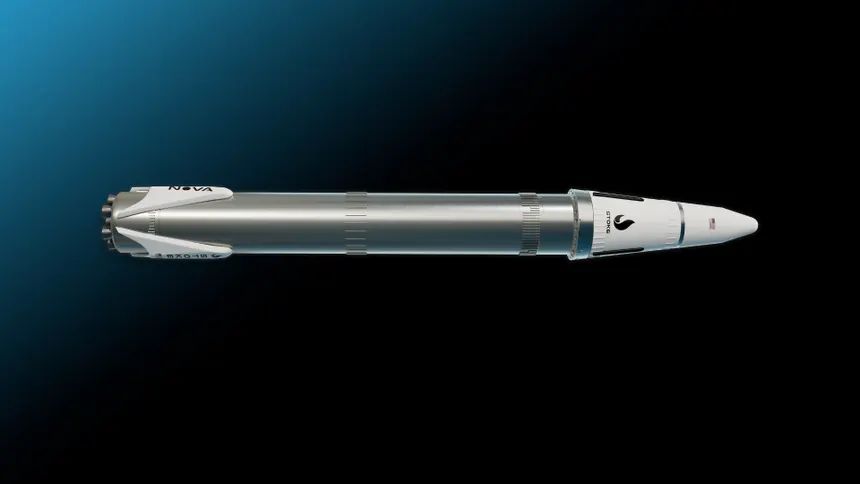
Nova
| Operator | Stoke Space · Kent, Washington |
|---|---|
| Status | In development |
| First flight | 2026 |
| Height | 30 m |
| Diameter | 4 m |
| Stages | 2 |
| Payload to LEO | 5,000 kg |
| Engines | 7 × Zenith · 30 × thruster ring (upper stage) |
| Propellant | Liquid oxygen / liquid hydrogen (upper) · LOX / LNG (booster) |
| Reuse | Both stages |
| Launch sites | LC-14, Cape Canaveral |
The upper stage has no engine bell in the usual sense — a ring of thrusters fires through an actively cooled metal base that doubles as the heat shield.
Arianespace / ArianeGroup
Europe's institutional launch provider, flying from the equator at Kourou — the best-placed spaceport on Earth for geostationary work. Founded 1980. Based in Évry-Courcouronnes, France. Official site.
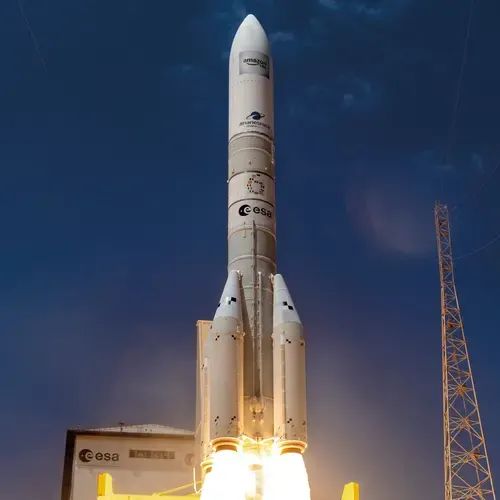
Ariane 62
| Operator | Arianespace / ArianeGroup · Évry-Courcouronnes, France |
|---|---|
| Status | Currently flying |
| First flight | 2024 |
| Height | 56 m |
| Diameter | 5.4 m |
| Liftoff mass | 530 t |
| Liftoff thrust | 8,000 kN |
| Stages | 2 |
| Payload to LEO | 10,300 kg |
| Payload to GTO | 4,500 kg |
| Engines | 1 × Vulcain 2.1 · 2 × P120C boosters · 1 × Vinci |
| Propellant | Liquid hydrogen / liquid oxygen |
| Reuse | Expendable — nothing is recovered |
| Launch sites | ELA-4, Kourou, French Guiana |
The two-booster configuration. Vinci restarts in flight, which Ariane 5 could not do, so a single launch can drop payloads into several orbits.
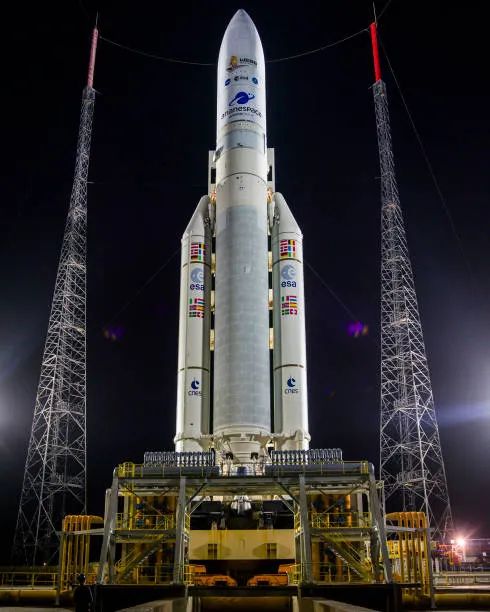
Ariane 64
| Operator | Arianespace / ArianeGroup · Évry-Courcouronnes, France |
|---|---|
| Status | Currently flying |
| First flight | 2025 |
| Height | 56 m |
| Diameter | 5.4 m |
| Liftoff mass | 860 t |
| Liftoff thrust | 15,000 kN |
| Stages | 2 |
| Payload to LEO | 21,650 kg |
| Payload to GTO | 11,500 kg |
| Engines | 1 × Vulcain 2.1 · 4 × P120C boosters · 1 × Vinci |
| Propellant | Liquid hydrogen / liquid oxygen |
| Reuse | Expendable — nothing is recovered |
| Launch sites | ELA-4, Kourou, French Guiana |
Four solid boosters instead of two. Carries the heaviest European institutional payloads and large Kuiper batches.
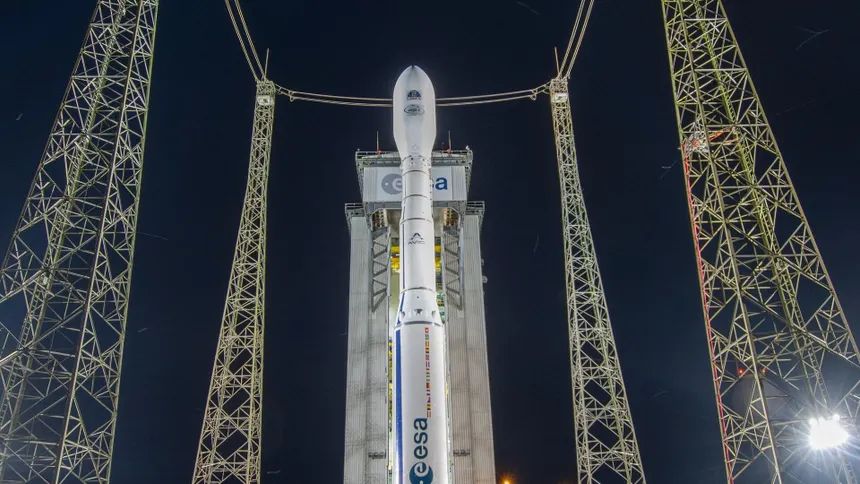
Vega C
| Operator | Arianespace / ArianeGroup · Évry-Courcouronnes, France |
|---|---|
| Status | Currently flying |
| First flight | 2022 |
| Height | 34.8 m |
| Diameter | 3.4 m |
| Liftoff mass | 210 t |
| Liftoff thrust | 4,323 kN |
| Stages | 4 |
| Payload to LEO | 3,300 kg |
| Payload to SSO | 2,300 kg |
| Engines | P120C · Zefiro 40 · Zefiro 9 · AVUM+ |
| Propellant | Solid, with a storable liquid upper stage |
| Reuse | Expendable — nothing is recovered |
| Launch sites | ELA-1, Kourou, French Guiana |
Italy's small-lift workhorse, grounded for two years after a 2022 failure traced to a nozzle throat insert, and now flying again.
Isar Aerospace
The best-funded of the European small-launch startups, flying from inside the Arctic Circle. Founded 2018. Based in Ottobrunn, Germany. Official site.
Spectrum
| Operator | Isar Aerospace · Ottobrunn, Germany |
|---|---|
| Status | In development |
| First flight | 2025 |
| Height | 28 m |
| Diameter | 2 m |
| Liftoff mass | 65 t |
| Stages | 2 |
| Payload to LEO | 1,000 kg |
| Payload to SSO | 700 kg |
| Engines | 9 × Aquila · 1 × Aquila Vacuum |
| Propellant | Liquid propane / liquid oxygen |
| Reuse | Expendable — nothing is recovered |
| Launch sites | Andøya, Norway |
First flight ended about thirty seconds in, which is a normal way for a first flight to end. Propane rather than methane is an unusual choice, chosen for density.
Rocket Factory Augsburg
Staged-combustion small launcher built around mass production of a single engine. Founded 2018. Based in Augsburg, Germany. Official site.
RFA One
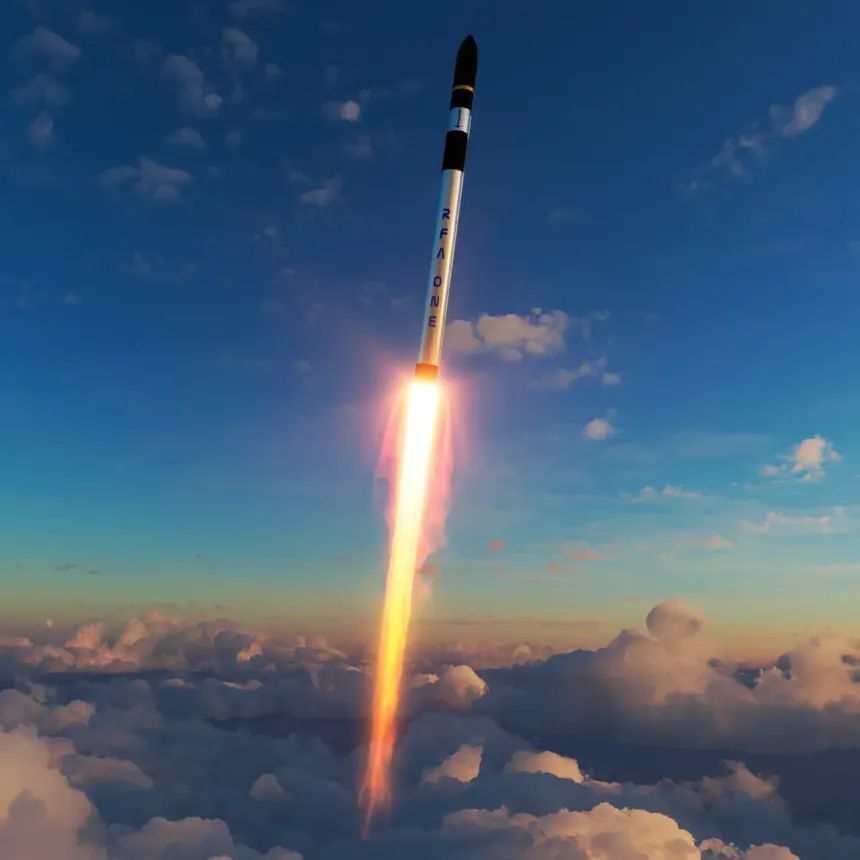
| Operator | Rocket Factory Augsburg · Augsburg, Germany |
|---|---|
| Status | In development |
| First flight | 2026 |
| Height | 30 m |
| Diameter | 2 m |
| Stages | 3 |
| Payload to LEO | 1,300 kg |
| Payload to SSO | 450 kg |
| Engines | 9 × Helix |
| Propellant | RP-1 / liquid oxygen |
| Reuse | Expendable — nothing is recovered |
| Launch sites | SaxaVord, Shetland, Scotland |
Lost a first stage in a ground test fire in 2024 and rebuilt. Staged combustion is rare in this size class.
PLD Space
Spain's launch company, working up from a suborbital demonstrator to a recoverable orbital vehicle. Founded 2011. Based in Elche, Spain. Official site.
Miura 5
| Operator | PLD Space · Elche, Spain |
|---|---|
| Status | In development |
| First flight | 2026 |
| Height | 35.7 m |
| Diameter | 2 m |
| Stages | 2 |
| Payload to LEO | 1,080 kg |
| Payload to SSO | 540 kg |
| Engines | 5 × TEPREL-C · 1 × TEPREL-C Vacuum |
| Propellant | RP-1 / liquid oxygen |
| Reuse | First stage, recovered from the sea |
| Launch sites | Kourou, French Guiana |
Miura 1 flew suborbitally in 2023 and proved the engine. Miura 5 is the orbital follow-on, flying from Europe's equatorial spaceport.
Orbex
Bio-propane micro-launcher aiming at the polar and sun-synchronous market from northern Scotland. Founded 2015. Based in Forres, Scotland. Official site.
Prime
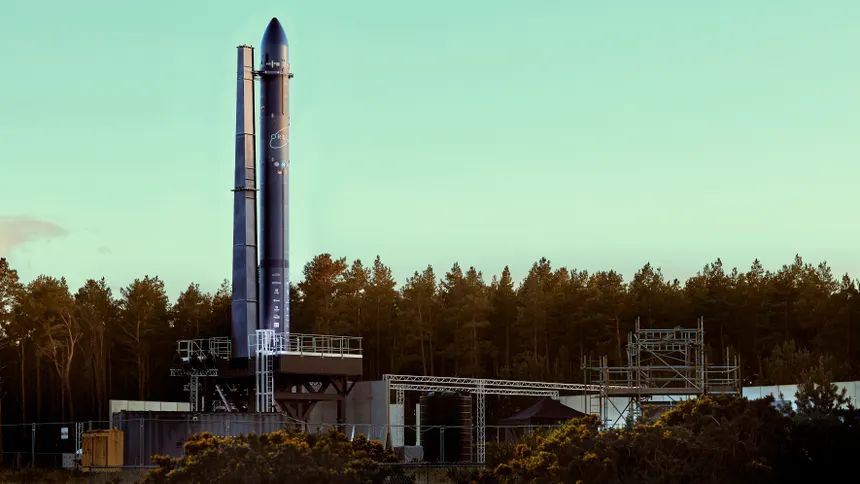
| Operator | Orbex · Forres, Scotland |
|---|---|
| Status | In development |
| First flight | 2026 |
| Height | 19 m |
| Diameter | 1.45 m |
| Stages | 2 |
| Payload to LEO | 180 kg |
| Engines | 6 × Prime engines |
| Propellant | Bio-propane / liquid oxygen |
| Reuse | First stage planned |
| Launch sites | SaxaVord, Shetland, Scotland |
Renewable bio-propane and a coreless composite tank. Very small, aimed at dedicated cubesat rideshare rather than tonnes.
CASC — China Aerospace S&T Corp
The Chinese state launch enterprise. Operates the entire Long March family and the crewed programme. Founded 1999. Based in Beijing, China. Official site.
Long March 5B
| Operator | CASC — China Aerospace S&T Corp · Beijing, China |
|---|---|
| Status | Currently flying |
| First flight | 2020 |
| Height | 53.7 m |
| Diameter | 5 m |
| Liftoff mass | 837 t |
| Liftoff thrust | 10,574 kN |
| Stages | 1.5 |
| Payload to LEO | 25,000 kg |
| Engines | 2 × YF-77 core · 8 × YF-100 on four boosters |
| Propellant | LH2 / LOX core · RP-1 / LOX boosters |
| Reuse | Expendable — nothing is recovered |
| Launch sites | Wenchang, Hainan |
The heavy single-stage-to-orbit-core variant that lofted the Tiangong modules. Its uncontrolled core re-entries drew international complaints; later flights added a controlled deorbit.
Long March 5
| Operator | CASC — China Aerospace S&T Corp · Beijing, China |
|---|---|
| Status | Currently flying |
| First flight | 2016 |
| Height | 57 m |
| Diameter | 5 m |
| Liftoff mass | 869 t |
| Liftoff thrust | 10,574 kN |
| Stages | 2 |
| Payload to LEO | 25,000 kg |
| Payload to GTO | 14,000 kg |
| Engines | 2 × YF-77 · 8 × YF-100 · 2 × YF-75D |
| Propellant | LH2 / LOX core · RP-1 / LOX boosters |
| Reuse | Expendable — nothing is recovered |
| Launch sites | Wenchang, Hainan |
China's heavy lifter — lunar sample return, Mars, and the largest geostationary satellites all ride this.
Long March 2F
| Operator | CASC — China Aerospace S&T Corp · Beijing, China |
|---|---|
| Status | Currently flying |
| First flight | 1999 |
| Height | 62 m |
| Diameter | 3.35 m |
| Liftoff mass | 464 t |
| Liftoff thrust | 5,923 kN |
| Stages | 2 |
| Payload to LEO | 8,400 kg |
| Engines | 4 × YF-20B core · 4 boosters |
| Propellant | UDMH / nitrogen tetroxide |
| Reuse | Expendable — nothing is recovered |
| Launch sites | Jiuquan, Gobi Desert |
The only Chinese rocket rated to carry people. Every Shenzhou crew has flown on one, with a second vehicle kept on standby for rescue.
Long March 7
| Operator | CASC — China Aerospace S&T Corp · Beijing, China |
|---|---|
| Status | Currently flying |
| First flight | 2016 |
| Height | 53.1 m |
| Diameter | 3.35 m |
| Liftoff mass | 597 t |
| Liftoff thrust | 7,200 kN |
| Stages | 2 |
| Payload to LEO | 13,500 kg |
| Payload to GTO | 7,000 kg |
| Engines | 4 × YF-100 · 4 boosters |
| Propellant | RP-1 / liquid oxygen |
| Reuse | Expendable — nothing is recovered |
| Launch sites | Wenchang, Hainan |
Flies Tianzhou cargo ships to the Tiangong station. The 7A variant adds a hydrogen upper stage for geostationary transfer.
Long March 8A
| Operator | CASC — China Aerospace S&T Corp · Beijing, China |
|---|---|
| Status | Currently flying |
| First flight | 2025 |
| Height | 50.5 m |
| Diameter | 3.35 m |
| Stages | 2 |
| Payload to LEO | 9,800 kg |
| Payload to SSO | 7,000 kg |
| Engines | 2 × YF-100 · 2 × YF-75H |
| Propellant | RP-1 / LOX core · LH2 / LOX upper |
| Reuse | Expendable — nothing is recovered |
| Launch sites | Wenchang commercial pad, Hainan |
Built for constellation deployment — the Guowang and Qianfan megaconstellations need a high-cadence medium lifter and this is it.
Long March 10
| Operator | CASC — China Aerospace S&T Corp · Beijing, China |
|---|---|
| Status | In development |
| First flight | 2026 |
| Height | 92.5 m |
| Diameter | 5 m |
| Liftoff mass | 2,189 t |
| Liftoff thrust | 26,000 kN |
| Stages | 3 |
| Payload to LEO | 70,000 kg |
| Payload to the Moon | 27,000 kg |
| Engines | 21 × YF-100K across three cores |
| Propellant | RP-1 / liquid oxygen |
| Reuse | First stage planned on later variants |
| Launch sites | Wenchang, Hainan |
The vehicle for the Chinese crewed lunar landing, targeted before 2030. Three 5-metre cores, a configuration that looks like Falcon Heavy and performs like Saturn V's smaller sibling.
Long March 9
| Operator | CASC — China Aerospace S&T Corp · Beijing, China |
|---|---|
| Status | Concept only |
| Targeting | 2033 |
| Height | 114 m |
| Diameter | 10.6 m |
| Liftoff mass | 4,400 t |
| Stages | 2 |
| Payload to LEO | 150,000 kg |
| Payload to the Moon | 50,000 kg |
| Engines | 30 × YF-215 (design) |
| Propellant | Liquid methane / liquid oxygen |
| Reuse | Fully reusable in the current design |
| Launch sites | Wenchang, Hainan (planned) |
Redesigned at least three times — from a hydrolox expendable to a methalox fully reusable two-stage vehicle that looks a great deal like Starship. No flight hardware.
LandSpace
The first company anywhere to reach orbit on methalox, and the leading Chinese commercial reusability effort. Founded 2015. Based in Beijing, China. Official site.
Zhuque-2E
| Operator | LandSpace · Beijing, China |
|---|---|
| Status | Currently flying |
| First flight | 2023 |
| Height | 49.5 m |
| Diameter | 3.35 m |
| Liftoff mass | 219 t |
| Liftoff thrust | 2,680 kN |
| Stages | 2 |
| Payload to LEO | 6,000 kg |
| Payload to SSO | 4,000 kg |
| Engines | 4 × TQ-12 · 1 × TQ-15A |
| Propellant | Liquid methane / liquid oxygen |
| Reuse | Expendable — nothing is recovered |
| Launch sites | Jiuquan, Gobi Desert |
Beat both SpaceX and Blue Origin to orbit with methane in July 2023. The E variant enlarged the tanks and upgraded the upper stage.
Zhuque-3
| Operator | LandSpace · Beijing, China |
|---|---|
| Status | In development |
| First flight | 2026 |
| Height | 66.1 m |
| Diameter | 4.5 m |
| Liftoff mass | 570 t |
| Stages | 2 |
| Payload to LEO | 21,300 kg |
| Engines | 9 × TQ-12A · 1 × TQ-15A |
| Propellant | Liquid methane / liquid oxygen |
| Reuse | First stage, propulsive landing |
| Launch sites | Jiuquan, Gobi Desert |
Stainless-steel airframe and a landing-legged booster — the closest thing China has to a Falcon 9 analogue, and it has already done high-altitude hop tests.
Space Pioneer
Reached orbit on its first attempt with Tianlong-2 and is scaling to a heavy reusable vehicle. Founded 2015. Based in Beijing, China.
Tianlong-3
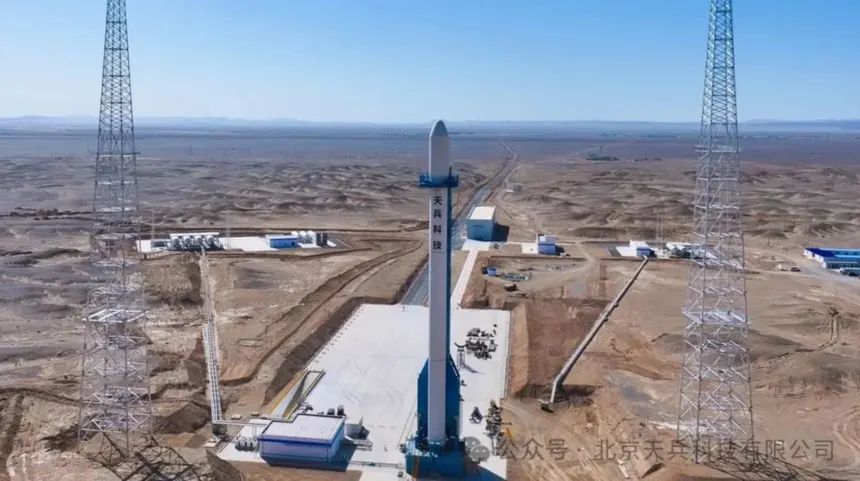
| Operator | Space Pioneer · Beijing, China |
|---|---|
| Status | In development |
| First flight | 2026 |
| Height | 71 m |
| Diameter | 3.8 m |
| Liftoff mass | 590 t |
| Stages | 2 |
| Payload to LEO | 17,000 kg |
| Payload to SSO | 14,000 kg |
| Engines | 9 × TH-12 |
| Propellant | RP-1 / liquid oxygen |
| Reuse | First stage planned |
| Launch sites | Jiuquan, Gobi Desert |
Best known for a 2024 static fire in which the vehicle tore loose from its hold-downs and flew into a nearby hillside. Development continued.
Galactic Energy
The most commercially successful Chinese private launcher, on a small solid rocket, with a reusable kerolox vehicle behind it. Founded 2018. Based in Beijing, China.
Ceres-1
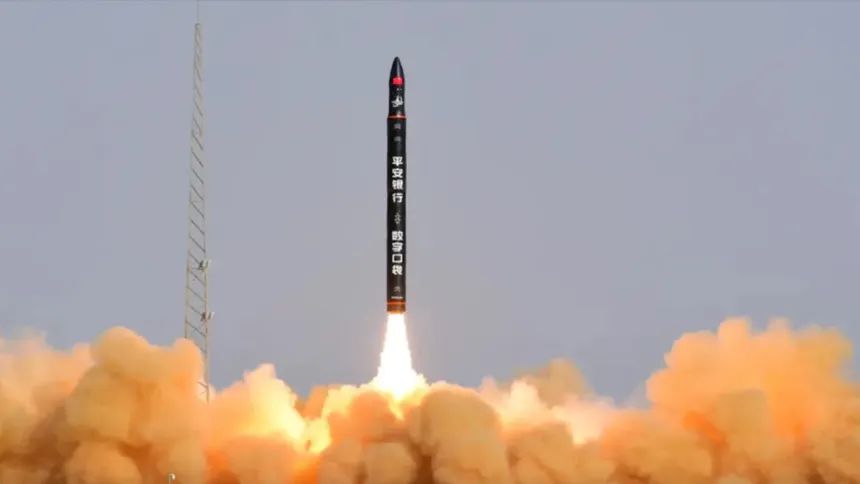
| Operator | Galactic Energy · Beijing, China |
|---|---|
| Status | Currently flying |
| First flight | 2020 |
| Height | 20 m |
| Diameter | 1.4 m |
| Liftoff mass | 33 t |
| Stages | 4 |
| Payload to LEO | 400 kg |
| Payload to SSO | 300 kg |
| Engines | 3 solid stages + liquid upper |
| Propellant | Solid, with a storable liquid fourth stage |
| Reuse | Expendable — nothing is recovered |
| Launch sites | Jiuquan, Gobi Desert · Sea launch platform, Yellow Sea |
A long run of consecutive successes for a private Chinese small launcher, including flights from a converted barge.
Pallas-1
| Operator | Galactic Energy · Beijing, China |
|---|---|
| Status | In development |
| First flight | 2026 |
| Height | 42 m |
| Diameter | 3.35 m |
| Stages | 2 |
| Payload to LEO | 8,000 kg |
| Payload to SSO | 6,000 kg |
| Engines | 7 × Welkin |
| Propellant | RP-1 / liquid oxygen |
| Reuse | First stage |
| Launch sites | Jiuquan, Gobi Desert |
Kerolox, landing legs, grid fins. Intended to fly the Chinese constellation backlog at a cadence solids cannot reach.
i-Space (Beijing Interstellar Glory)
First Chinese private company to reach orbit, in 2019, followed by a long run of failures and a rebuild. Founded 2016. Based in Beijing, China.
Hyperbola-3
| Operator | i-Space (Beijing Interstellar Glory) · Beijing, China |
|---|---|
| Status | In development |
| First flight | 2026 |
| Height | 69 m |
| Diameter | 4.2 m |
| Stages | 2 |
| Payload to LEO | 13,400 kg |
| Engines | 9 × Focus-2 |
| Propellant | Liquid methane / liquid oxygen |
| Reuse | First stage |
| Launch sites | Jiuquan, Gobi Desert |
Methalox and reusable, after Hyperbola-1's solid-fuel troubles. Vertical landing tests have been flown.
Roscosmos
Flies the most-launched rocket family in history, on hardware whose lineage runs back to the R-7 of 1957. Founded 1992. Based in Moscow, Russia.
Soyuz-2.1b
| Operator | Roscosmos · Moscow, Russia |
|---|---|
| Status | Currently flying |
| First flight | 2006 |
| Height | 46.3 m |
| Diameter | 10.3 m |
| Liftoff mass | 312 t |
| Liftoff thrust | 4,149 kN |
| Stages | 3 |
| Payload to LEO | 8,200 kg |
| Payload to SSO | 4,900 kg |
| Engines | 4 × RD-107A boosters · RD-108A core · RD-0124 upper |
| Propellant | RP-1 / liquid oxygen |
| Reuse | Expendable — nothing is recovered |
| Launch sites | Baikonur, Kazakhstan · Plesetsk · Vostochny |
The direct descendant of the rocket that launched Sputnik and Gagarin. Still carries every Soyuz crew to the ISS.
Angara A5
| Operator | Roscosmos · Moscow, Russia |
|---|---|
| Status | Currently flying |
| First flight | 2014 |
| Height | 55.4 m |
| Diameter | 8.86 m |
| Liftoff mass | 773 t |
| Liftoff thrust | 9,614 kN |
| Stages | 3 |
| Payload to LEO | 24,500 kg |
| Payload to GTO | 5,400 kg |
| Engines | 5 × RD-191 · Briz-M or Orion upper |
| Propellant | RP-1 / liquid oxygen |
| Reuse | Expendable — nothing is recovered |
| Launch sites | Plesetsk · Vostochny |
Modular — the same universal rocket module is core and booster. Intended to replace Proton and end dependence on Baikonur, and flying rarely.
Mitsubishi Heavy Industries / JAXA
Japan's launch industry: extremely reliable, historically expensive, and now trying to halve its own launch cost. Founded 1884. Based in Tokyo, Japan. Official site.
H3-24
| Operator | Mitsubishi Heavy Industries / JAXA · Tokyo, Japan |
|---|---|
| Status | Currently flying |
| First flight | 2023 |
| Height | 63 m |
| Diameter | 5.2 m |
| Liftoff mass | 574 t |
| Liftoff thrust | 9,683 kN |
| Stages | 2 |
| Payload to LEO | 15,000 kg |
| Payload to GTO | 7,900 kg |
| Engines | 2–3 × LE-9 · 0–4 SRB-3 · 1 × LE-5B-3 |
| Propellant | Liquid hydrogen / liquid oxygen |
| Reuse | Expendable — nothing is recovered |
| Launch sites | Tanegashima Space Center |
Configurations are written as H3-<core engines><boosters>. The LE-9 expander-bleed engine took years of turbopump cracking to sort out, and the vehicle has flown well since.
H-IIA
| Operator | Mitsubishi Heavy Industries / JAXA · Tokyo, Japan |
|---|---|
| Status | Retired |
| First flight | 2001 |
| Retired | 2025 |
| Height | 53 m |
| Diameter | 4 m |
| Liftoff mass | 445 t |
| Stages | 2 |
| Payload to LEO | 10,000 kg |
| Payload to GTO | 6,000 kg |
| Engines | 1 × LE-7A · 2–4 SRB-A · 1 × LE-5B |
| Propellant | Liquid hydrogen / liquid oxygen |
| Reuse | Expendable — nothing is recovered |
| Launch sites | Tanegashima Space Center |
Retired in 2025 after a near-perfect record across nearly fifty flights. Handed the manifest to H3.
Epsilon S
| Operator | Mitsubishi Heavy Industries / JAXA · Tokyo, Japan |
|---|---|
| Status | In development |
| First flight | 2026 |
| Height | 27 m |
| Diameter | 2.5 m |
| Stages | 3 |
| Payload to LEO | 1,400 kg |
| Payload to SSO | 600 kg |
| Engines | SRB-3 first stage + two solid upper stages |
| Propellant | Solid |
| Reuse | Expendable — nothing is recovered |
| Launch sites | Uchinoura Space Center |
Small solid launcher, delayed by two second-stage ground-test explosions. Shares its first stage with H3's boosters, which is the whole cost argument.
ISRO
Delivers interplanetary missions on budgets that other agencies spend on studies, and is now opening launch to Indian industry. Founded 1969. Based in Bengaluru, India. Official site.
LVM3
| Operator | ISRO · Bengaluru, India |
|---|---|
| Status | Currently flying |
| First flight | 2014 |
| Height | 43.5 m |
| Diameter | 4 m |
| Liftoff mass | 640 t |
| Liftoff thrust | 10,300 kN |
| Stages | 3 |
| Payload to LEO | 10,000 kg |
| Payload to GTO | 4,000 kg |
| Engines | 2 × S200 solids · 2 × Vikas · 1 × CE-20 |
| Propellant | Solid boosters · UDMH core · LH2 / LOX upper |
| Reuse | Expendable — nothing is recovered |
| Launch sites | Satish Dhawan Space Centre, Sriharikota |
Flew Chandrayaan-3 to the lunar south pole and will carry the Gaganyaan crew. India's heaviest operational vehicle.
PSLV
| Operator | ISRO · Bengaluru, India |
|---|---|
| Status | Currently flying |
| First flight | 1993 |
| Height | 44.4 m |
| Diameter | 2.8 m |
| Liftoff mass | 320 t |
| Liftoff thrust | 4,800 kN |
| Stages | 4 |
| Payload to LEO | 3,800 kg |
| Payload to SSO | 1,750 kg |
| Engines | S139 solid · Vikas · solid third · liquid fourth |
| Propellant | Alternating solid and hypergolic stages |
| Reuse | Expendable — nothing is recovered |
| Launch sites | Satish Dhawan Space Centre, Sriharikota |
The workhorse: Mars Orbiter Mission, Chandrayaan-1, and once 104 satellites on a single flight. Alternating solid and liquid stages is unusual and it works.
SSLV
| Operator | ISRO · Bengaluru, India |
|---|---|
| Status | Currently flying |
| First flight | 2022 |
| Height | 34 m |
| Diameter | 2 m |
| Liftoff mass | 120 t |
| Stages | 4 |
| Payload to LEO | 500 kg |
| Payload to SSO | 300 kg |
| Engines | Three solid stages + a liquid velocity trim module |
| Propellant | Solid, with a liquid trim stage |
| Reuse | Expendable — nothing is recovered |
| Launch sites | Satish Dhawan Space Centre, Sriharikota |
Designed to be assembled in under a week by a small team, and being transferred to Indian industry to operate commercially.
Gilmour Space Technologies
Australia's orbital launch attempt, on hybrid rocket motors, from a private spaceport in north Queensland. Founded 2012. Based in Gold Coast, Queensland. Official site.
Eris
| Operator | Gilmour Space Technologies · Gold Coast, Queensland |
|---|---|
| Status | In development |
| First flight | 2025 |
| Height | 25 m |
| Diameter | 2 m |
| Liftoff mass | 34 t |
| Stages | 3 |
| Payload to LEO | 305 kg |
| Payload to SSO | 215 kg |
| Engines | 4 × Sirius hybrid · 1 × Sirius · 1 × Phoenix |
| Propellant | Hybrid — solid fuel with liquid oxidiser |
| Reuse | Expendable — nothing is recovered |
| Launch sites | Bowen Orbital Spaceport, Queensland |
The first Australian-built rocket to attempt orbit from Australian soil. Hybrid motors are rare in orbital use: simpler and safer than liquids, harder to get performance from.
Hypersonix Launch Systems
Air-breathing rather than rocket-powered: hydrogen scramjets, 3D-printed in one piece, aimed eventually at reusable access to orbit. Founded 2019. Based in Carole Park, Brisbane, Queensland. Official site.
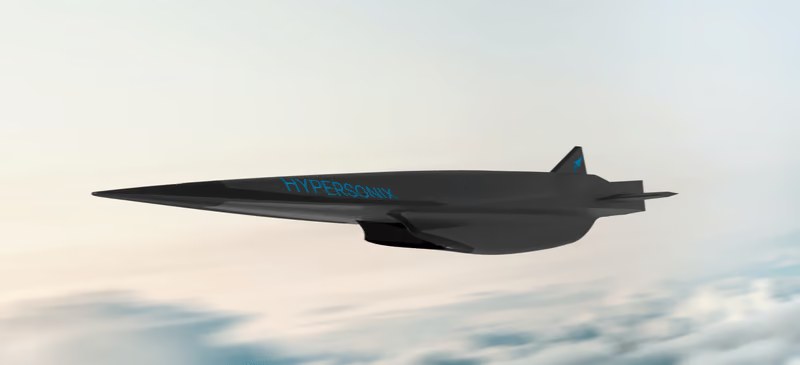
DART AESuborbital
| Operator | Hypersonix Launch Systems · Carole Park, Brisbane, Queensland |
|---|---|
| Status | Currently flying |
| First flight | 2026 |
| Height | 3 m |
| Stages | 1 |
| Engines | 1 × SPARTAN scramjet |
| Propellant | Hydrogen, burned with atmospheric oxygen |
| Reuse | Expendable — nothing is recovered |
| Launch sites | LC-2, Wallops, Virginia — carried aloft by Rocket Lab HASTE |
Flew 27 February 2026 and sustained powered flight beyond Mach 5 — the first hydrogen scramjet flight of its kind, and Australia's. A 3 m, 300 kg airframe printed as a single piece in high-temperature alloy, designed for Mach 7 and about 1,000 km. It carries no oxidiser: SPARTAN has no moving parts and takes its oxygen from the air, so the exhaust is water vapour. Not a launch vehicle — it is lifted to speed by a HASTE rocket and flies from there, which is why it appears here as a hypersonic testbed rather than a way to orbit.
VISRSuborbital
| Operator | Hypersonix Launch Systems · Carole Park, Brisbane, Queensland |
|---|---|
| Status | In development |
| Height | 6 m |
| Stages | 1 |
| Engines | SPARTAN scramjet |
| Propellant | Hydrogen, burned with atmospheric oxygen |
| Reuse | The whole aircraft — it lands on an ordinary runway |
The reusable follow-on, announced as Hypersonix's next platform and funded off the back of the DART AE flight: 6 m, a 50 kg payload, Mach 5 to 10, about 2,500 km, returning to a runway. Reconnaissance rather than launch. No flight date has been published, and these are the company's own figures for an aircraft that has not been built.
Delta-Velos
| Operator | Hypersonix Launch Systems · Carole Park, Brisbane, Queensland |
|---|---|
| Status | Concept only |
| Height | 12 m |
| Stages | 2 |
| Payload to LEO | 300 kg |
| Engines | 4 × SPARTAN scramjet, fifth generation |
| Propellant | Hydrogen — air-breathing to Mach 12, then a rocket stage to orbit |
| Reuse | Intended to be fully reusable |
The reason a scramjet company belongs in a launcher roster at all. An air-breathing first stage would carry a rocket upper stage to roughly Mach 12 before it lit, from a conventional runway rather than a pad, with 150–300 kg to low Earth orbit. It is a design study: no hardware, no date, and the whole architecture rests on scramjets several generations beyond the one that has flown once.
KARI
South Korea's space agency, flying a wholly domestic orbital launcher since 2022. Founded 1989. Based in Daejeon, South Korea.
Nuri (KSLV-II)
| Operator | KARI · Daejeon, South Korea |
|---|---|
| Status | Currently flying |
| First flight | 2021 |
| Height | 47.2 m |
| Diameter | 3.5 m |
| Liftoff mass | 200 t |
| Liftoff thrust | 2,942 kN |
| Stages | 3 |
| Payload to LEO | 3,300 kg |
| Payload to SSO | 1,500 kg |
| Engines | 4 × KRE-075 · 1 × KRE-075 Vacuum · 1 × KRE-007 |
| Propellant | RP-1 / liquid oxygen |
| Reuse | Expendable — nothing is recovered |
| Launch sites | Naro Space Center, Goheung |
Entirely Korean-designed engines and airframe, which is why it took so long. Operations are being handed to Hanwha Aerospace.
Israel Aerospace Industries
Launches westward over the Mediterranean — against the Earth's rotation — because every other direction crosses a neighbour. Founded 1953. Based in Lod, Israel.
Shavit-2
| Operator | Israel Aerospace Industries · Lod, Israel |
|---|---|
| Status | Currently flying |
| First flight | 1988 |
| Height | 26.4 m |
| Diameter | 2.3 m |
| Liftoff mass | 70 t |
| Stages | 3 |
| Payload to LEO | 800 kg |
| Engines | Three solid stages |
| Propellant | Solid |
| Reuse | Expendable — nothing is recovered |
| Launch sites | Palmachim Airbase |
The retrograde launch azimuth costs it roughly a third of its payload. Flies rarely, and only national reconnaissance satellites.
Iranian Space Agency / IRGC
Two parallel programmes — a civil agency and the Revolutionary Guard — each with its own launchers. Founded 2004. Based in Tehran, Iran.
Simorgh
| Operator | Iranian Space Agency / IRGC · Tehran, Iran |
|---|---|
| Status | Currently flying |
| First flight | 2016 |
| Height | 26.5 m |
| Diameter | 2.4 m |
| Liftoff mass | 87 t |
| Stages | 2 |
| Payload to LEO | 350 kg |
| Engines | 4 × main engines derived from Nodong |
| Propellant | UDMH / nitrogen tetroxide |
| Reuse | Expendable — nothing is recovered |
| Launch sites | Imam Khomeini Spaceport, Semnan |
A troubled record with a handful of successful orbital insertions. Derived from North Korean missile lineage via the Safir programme.
Qased
| Operator | Iranian Space Agency / IRGC · Tehran, Iran |
|---|---|
| Status | Currently flying |
| First flight | 2020 |
| Height | 19 m |
| Diameter | 1.25 m |
| Stages | 3 |
| Payload to LEO | 80 kg |
| Engines | Liquid first stage, solid upper stages |
| Propellant | Mixed liquid and solid |
| Reuse | Expendable — nothing is recovered |
| Launch sites | Shahroud |
The Revolutionary Guard's own launcher, revealed with no warning in 2020. Small, mobile, and militarily significant for reasons unrelated to satellites.
NADA — North Korea
A launch programme inseparable from the missile programme, which is the point of it. Founded 2013. Based in Pyongyang, North Korea.
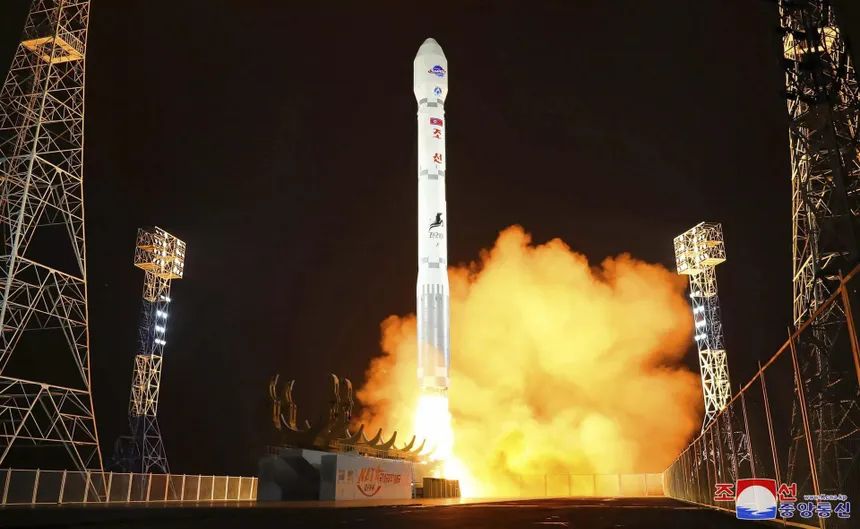
Chollima-1
| Operator | NADA — North Korea · Pyongyang, North Korea |
|---|---|
| Status | Currently flying |
| First flight | 2023 |
| Height | 30 m |
| Diameter | 2.4 m |
| Stages | 3 |
| Payload to LEO | 300 kg |
| Engines | Dual-chamber first stage, likely Paektusan-derived |
| Propellant | UDMH / nitrogen tetroxide |
| Reuse | Expendable — nothing is recovered |
| Launch sites | Sohae Satellite Launching Station |
Reached orbit on its third attempt in November 2023 with a reconnaissance satellite. Every flight is watched as a missile test as much as a launch.